Estate Planning Designed Around Your Life -- and the Legacy You're Building
Estate planning is about more than deciding what happens after you’re gone. It’s about protecting yourself while you’re here, the people who depend on you, and everything you’ve worked hard to build.
At K. Deane Law, we help you understand your options and create a personalized strategy designed around your family, your assets, your wishes, and your future.


What Is Estate Planning?
Estate Planning is Really About Making Decisions Before Someone Else Has To
A will or trust is only one piece of an estate plan. The real plan is the strategy behind those documents.
Who should be able to step in if you can't handle your own affairs? Who should make medical decisions for you? Who should care for your children? What should happen to your home, business, savings, and other assets? And how should the people you love receive what you've worked hard to build?
A thoughtful estate plan allows you to make those decisions now—rather than leaving your family to figure them out during a crisis or allowing Louisiana law to make those decisions for you.
What Happens Without a Plan?
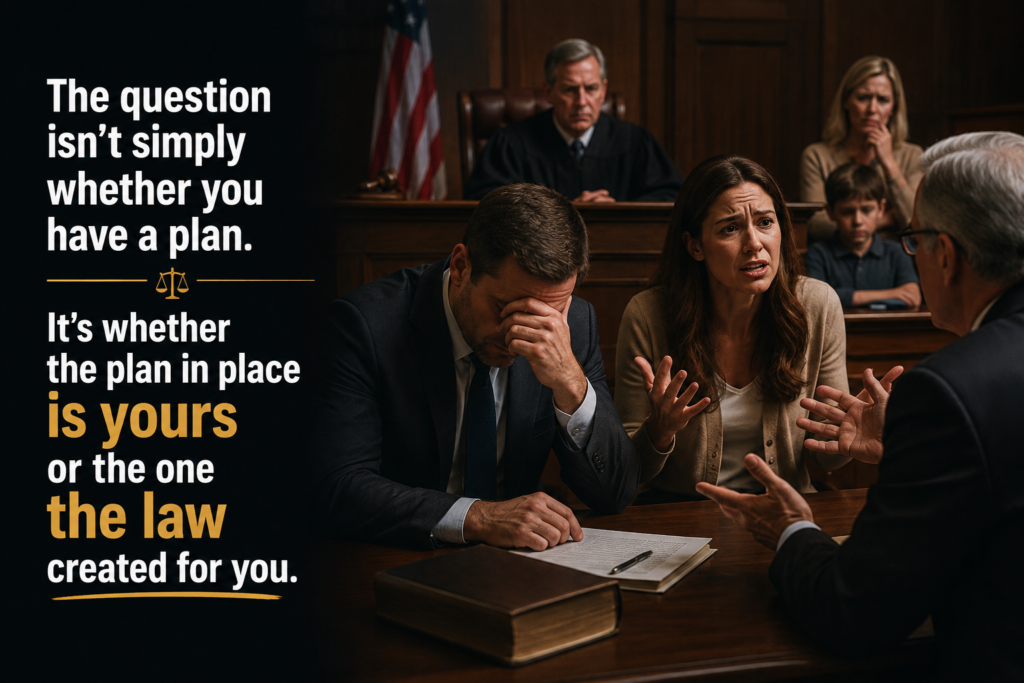
If You Don’t Create a Plan, Your State Provides You With One
Doing nothing doesn’t mean nothing happens. Everyone has an estate plan – even if they never create one themselves.
If you don’t make these decisions for yourself, Louisiana law WILL determine what happens to your property, who has the authority to handle important matters, and how your assets ultimately pass to the people you leave behind.
Without proper planning:
Estate planning gives you the opportunity to make those decisions ahead of time.
Instead of leaving your family with Louisiana's plan, you can create a plan that's designed around your wishes, your family, and the legacy you want to leave behind.
Strategy Plan for Your Estate
What Do You Want Your Estate Plan to Accomplish?
The Right Plan Isn’t About Having More Documents. It's about having the right strategy and the right documents working together to accomplish what matters to you.
That's why we don't begin by asking whether you need a will or a trust. We begin by understanding you—then help you design the plan around what you want to protect and accomplish.
Depending on your family, assets, and goals, your plan should help you:
Who would pay your bills, manage your property, handle your business affairs, or make healthcare decisions if you couldn't do it yourself?Your estate plan can give the people you trust the legal authority they need to step in and provide clear instructions about the decisions you want made.
Planning tools may include:
If something happened to you, who would care for your children? Who would manage their inheritance? And would they receive everything immediately—or when you believe they're ready?Your plan allows you to make those decisions in advance and create protections tailored to the people who depend on you.
Planning tools may include:
Louisiana law has default rules for who inherits when you don't create your own plan. Estate planning allows you to decide who should receive your home, savings, investments, personal property, business interests, and other assets.You can also decide whether those assets should pass outright or remain protected for the people you leave behind.
Planning tools may include:
Sometimes simply leaving assets to someone isn't enough.
A properly designed trust can provide structure around an inheritance, including when and how assets are used or distributed. This can be particularly important when planning for minor children, young adults, beneficiaries with special needs, or loved ones who may benefit from additional protection.
Planning tools may include:
Your business may be one of the most valuable assets you've built. Your plan should address what happens if you're suddenly unable to run it—and what ultimately happens to your ownership interest.
Estate and business planning can work together to establish authority, address ownership, and create a strategy for the future of the business.
Planning tools may include:
A thoughtful estate plan can give your family something especially valuable during a difficult time: clear direction.
By putting your decisions in writing, establishing legal authority, coordinating your assets, and organizing important information, you can reduce the number of questions your loved ones are left to answer on their own.
Planning tools may include:
Who Needs A Plan
Everyone Has Something—and Someone—Worth Protecting.
Estate planning isn't defined by your age, your wealth, or your family structure. It's about making sure you have a say in what happens to you, the people you love, and the things you've worked hard to build.
Your plan will look different depending on your life, your relationships, your assets, and your goals—but planning matters at every stage.
Words from FamiliesWe've Helped




You Don’t Have to Know What Documents You Need.
That’s what the planning process is for.
Your first step is a Legacy Strategy Call - a conversation about your family, what you’ve built, what concerns you, and what you want to protect. From there, we’ll help you determine the right next step.